

Synchronization service offered by TOP-IX to its members and primary partners.
It involves the dissemination of the time signal certified by INRiM through the fiber optic infrastructure managed by TOP-IX.
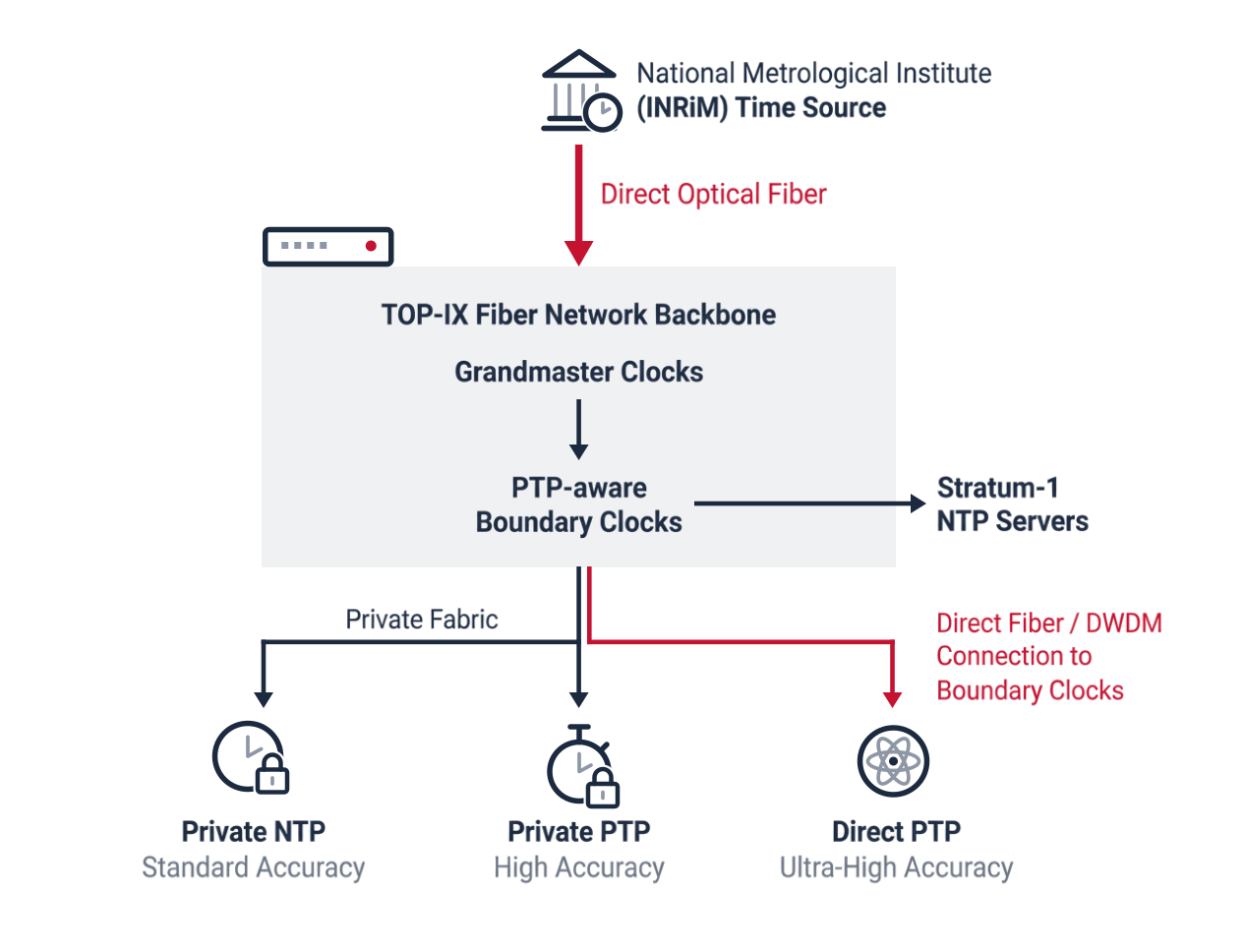
Time as a Service (TaaS) is delivered in different modes, depending on how clients connect to the TOP-IX architecture and on the protocols used to distribute the time reference (and therefore on the accuracy required):
TOP-IX benefits from a unique collaboration with INRiM, a primary member of the Consortium, which performs the functions of the national metrology institute for Italy, constituting the mainstay of much of metrology, the science of measurement.
INRiM creates, maintains, and develops the national reference standards for the seven base units of the International System of Units (SI) – including the second regarding time – and their respective derived units. Through these standards, it ensures the reliability of measurements at the national level and their comparability at the international level.
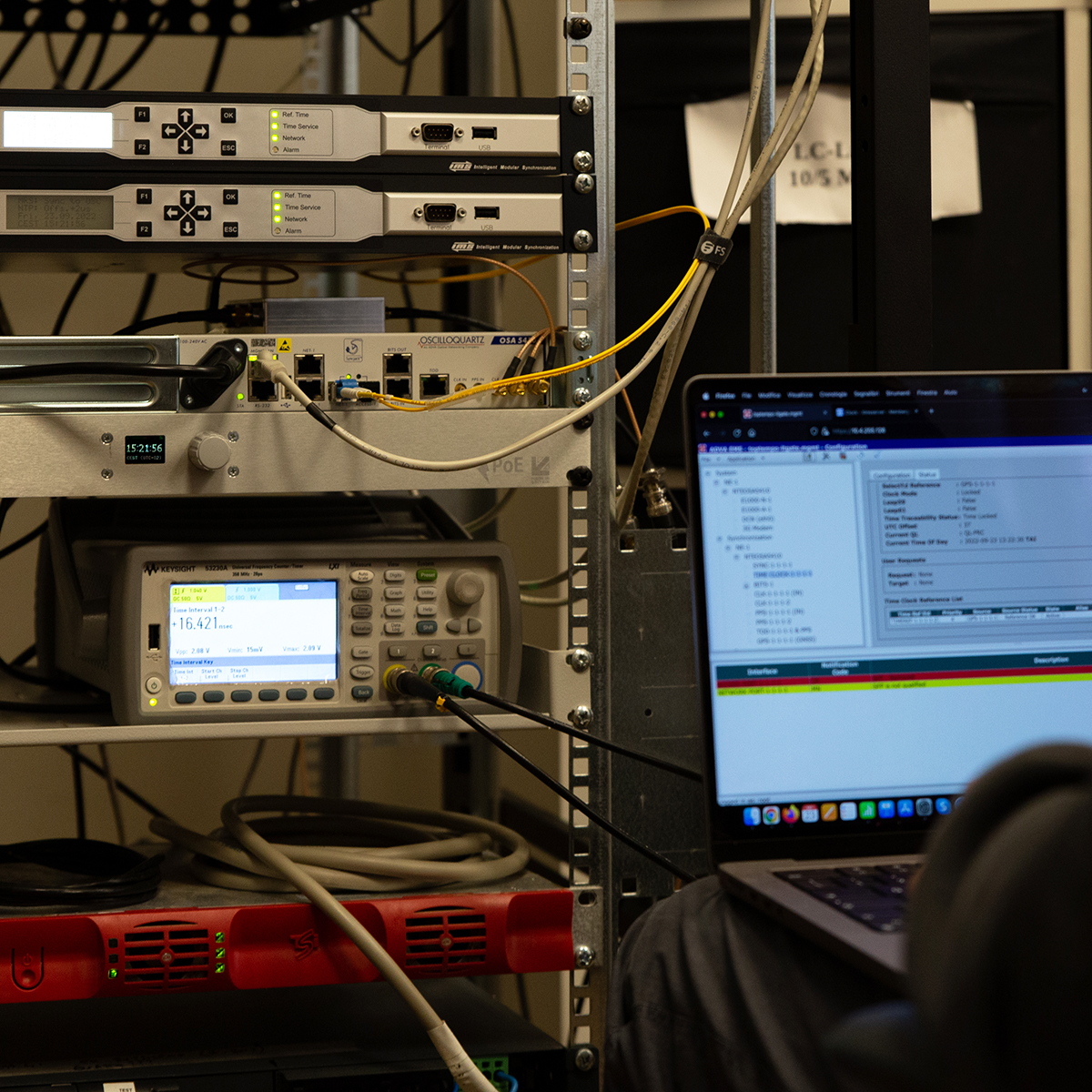
TOP-IX delivers synchronization services through its own fiber optic network, directly connected, also via fiber optic, to the Time and Frequency laboratories of INRiM, and integrated with its own network fabric: in this way the service is also traceable to the UTC (IT) reference.
In many cases, synchronization services still rely on GNSS (Global Navigation Satellite System, such as GPS or Galileo) sources, which however have the following limitations:
Since the whole supply chain runs over fiber optic systems, the services provided by TOP-IX are an alternative to, and an improvement on, those that take their time reference from satellite sources.
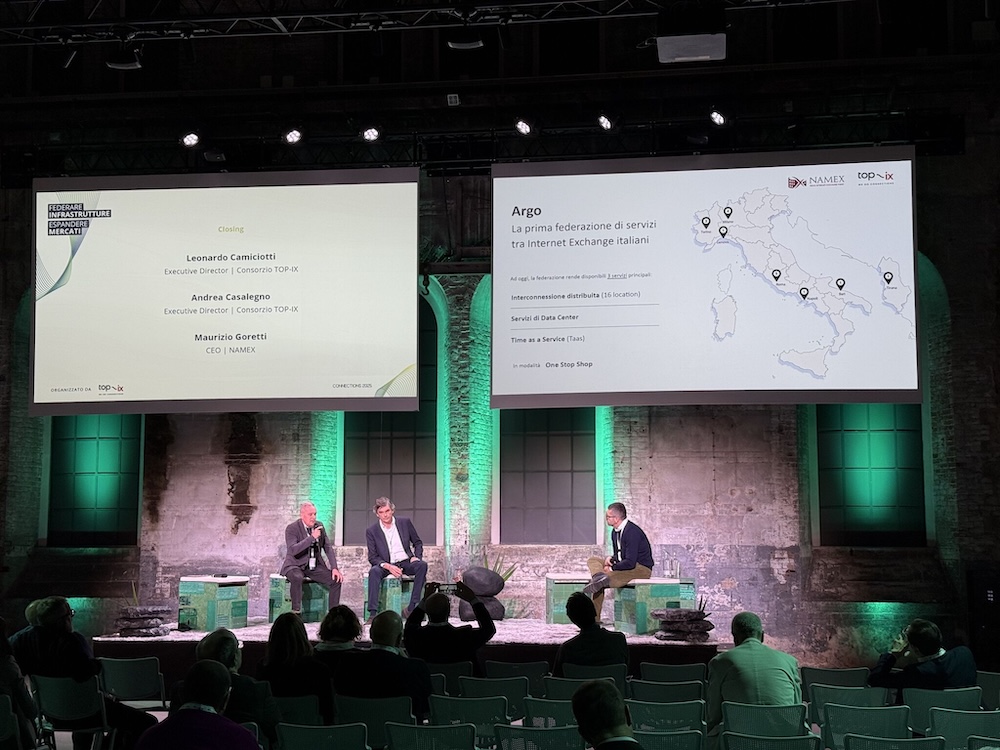
The TaaS service is also available outside the platform managed by TOP-IX through partnerships with NaMeX, VSIX and Aruba.
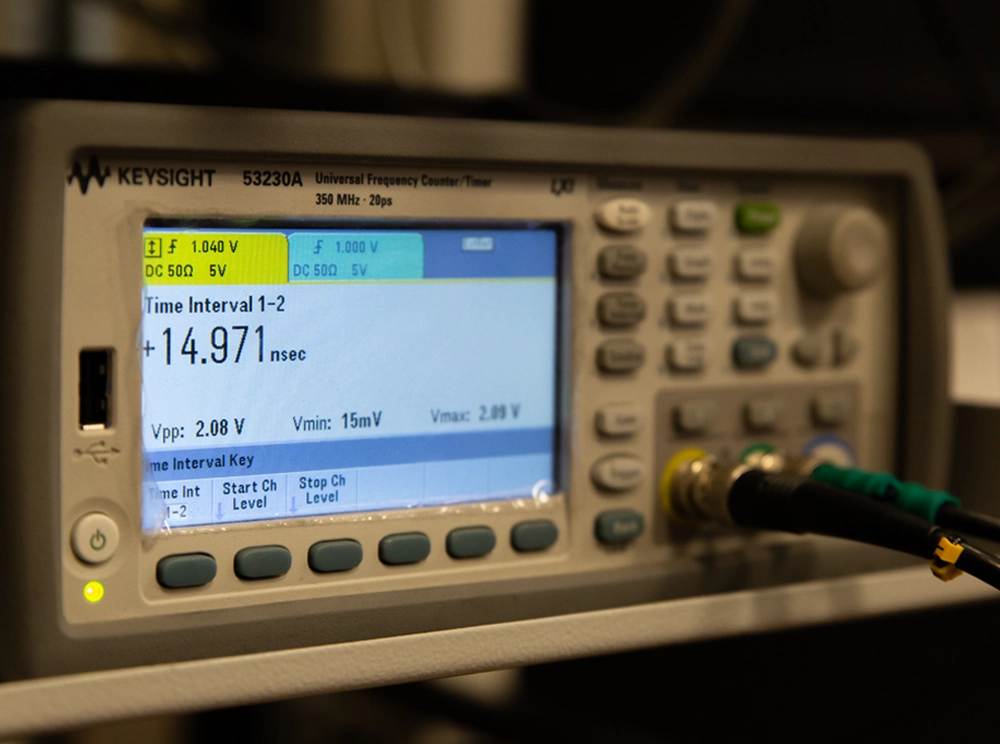
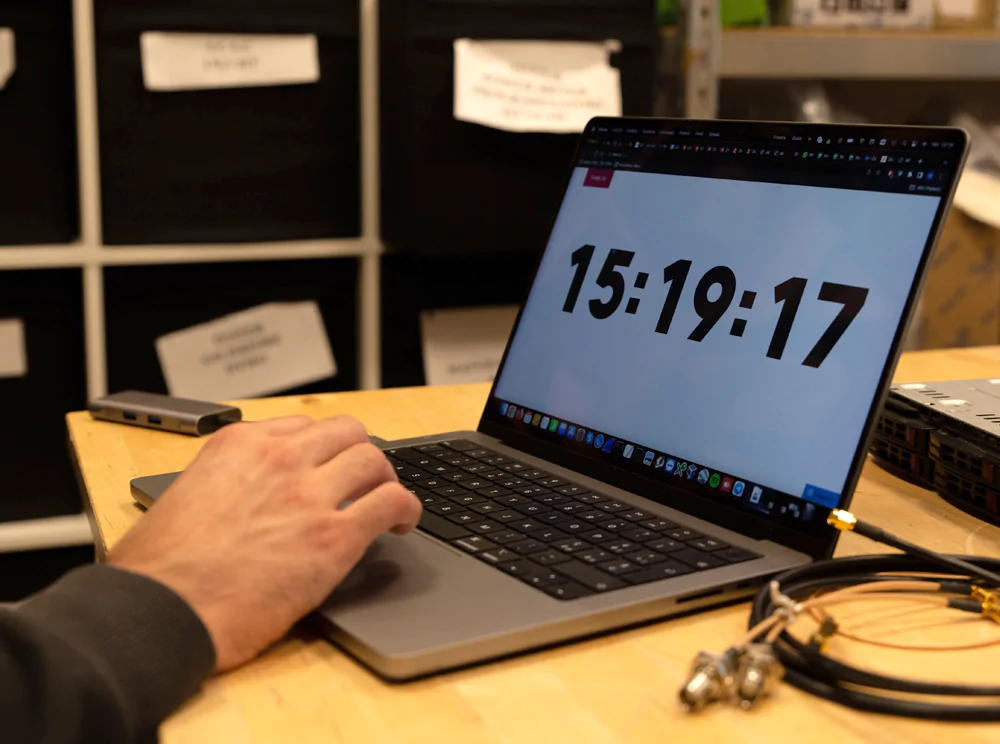
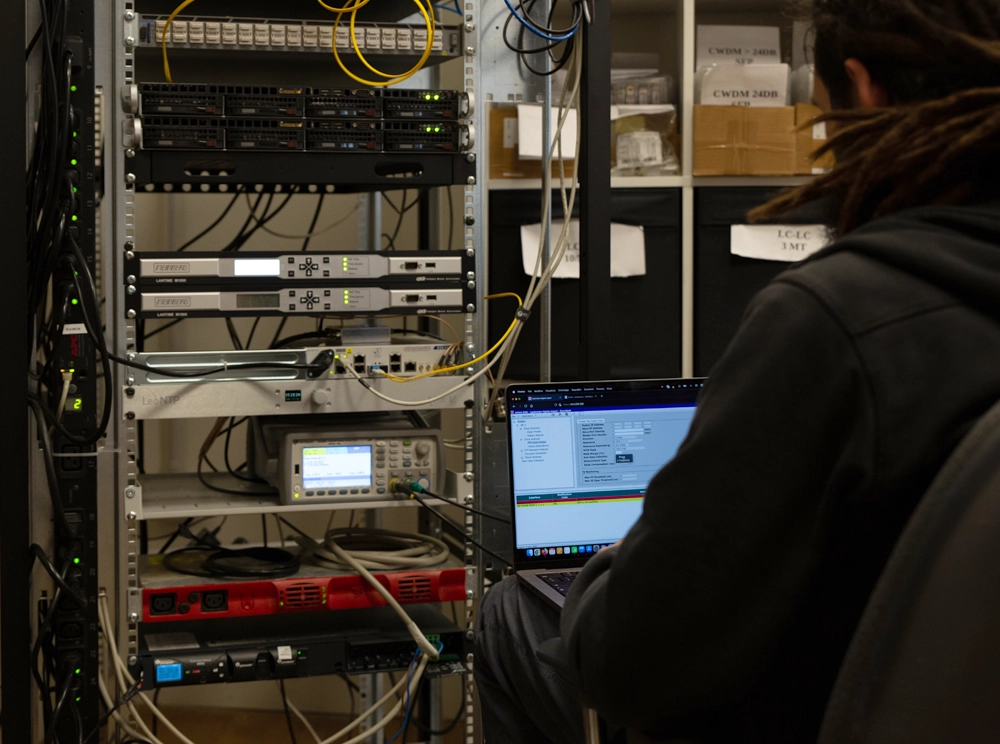
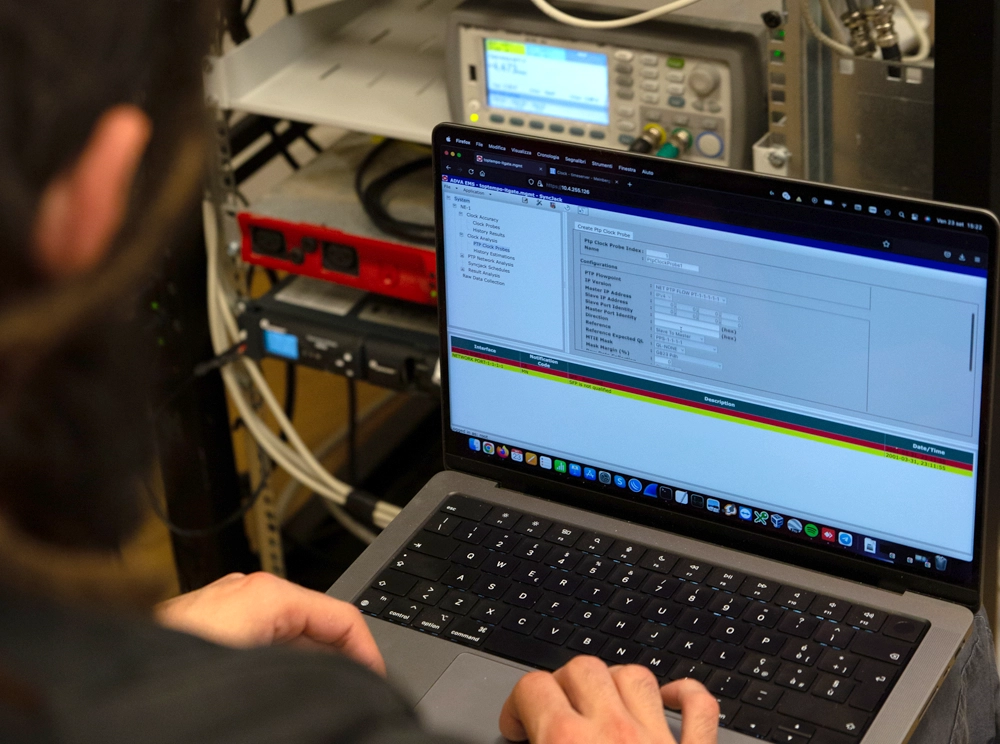
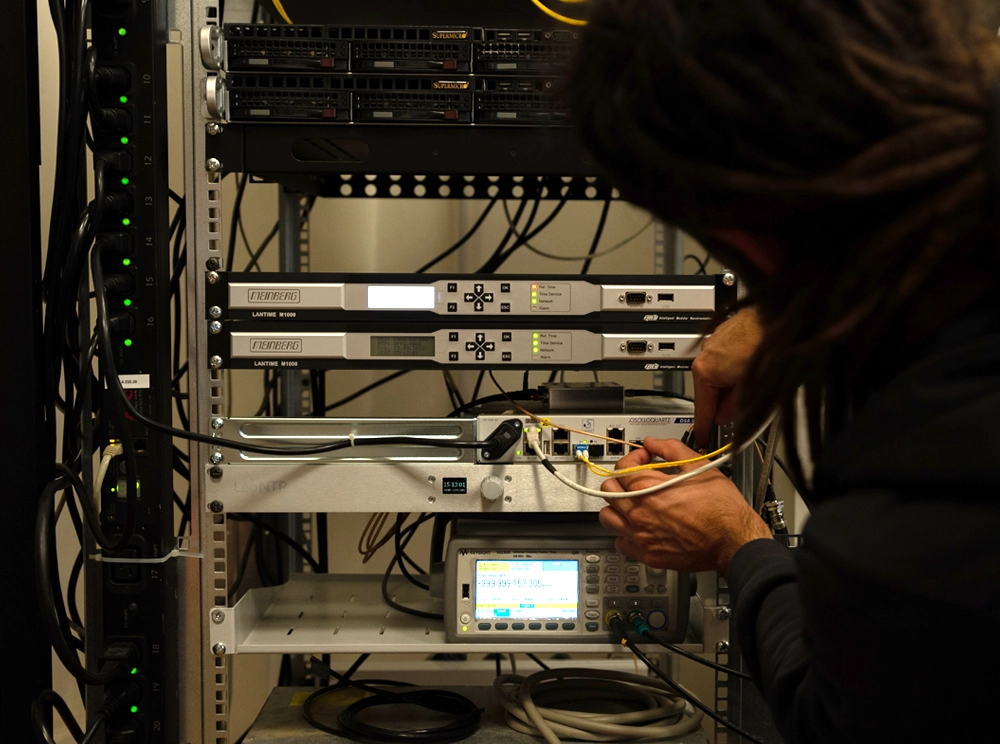
The Network Time Protocol (NTP) is the most commonly used protocol for time synchronization of computer and telecommunications systems.
An accurate and secure system relying on NTP is essential not only for end users of services but also for various industrial and productive sectors at the local, national, and international levels; examples include air traffic control and file logs on electronic devices used in legal, production and other settings. The time deviation between NTP servers and the national UTC (IT) time scale is typically never less than one millisecond.
When servers providing NTP reference sources are reachable via the Internet, they can be exposed to DDoS attacks capable of inhibiting synchronization processes and rendering them inaccessible.
TOP-IX, through its infrastructure, is able to avoid any type of attack because it does not transmit the signal over the public network but over a private network, carefully monitored and protected. For the members connected directly to TOP-IX, a dedicated VLAN for this specific service is indeed available.
The service is provided on a port (dedicated or shared with other services) of the Fabric at all TOP-IX PoPs, with redundant NTP servers in Turin and Milan.
In many sectors, synchronization needs require greater accuracy than that provided by the NTP protocol. An example is provided by the MiFID directive itself, which requires the following minimum requirements for online trading operations:
In these cases it is therefore necessary to use the PTP protocol, which can provide services with such levels of accuracy and granularity. The synchronization network follows the typical hierarchical architecture, with a Grandmaster at the INRiM site and several boundary clocks in the TOP-IX PoPs, interconnected through the TOP-IX DWDM network; the boundary clocks are in turn connected to the TOP-IX fabric.
As in the previous case, Private PTP is also delivered on a port (dedicated or shared with other services) of the Fabric at all TOP-IX PoPs: in this way the same issues highlighted above for a service exposed on the public Internet are avoided.
For specific high-accuracy requirements (1 µs and beyond), TOP-IX provides direct connection to the boundary clocks in its own architecture.
The service is therefore available to customers located at the same PoPs or able to reach them through a fiber connection (dedicated or DWDM).